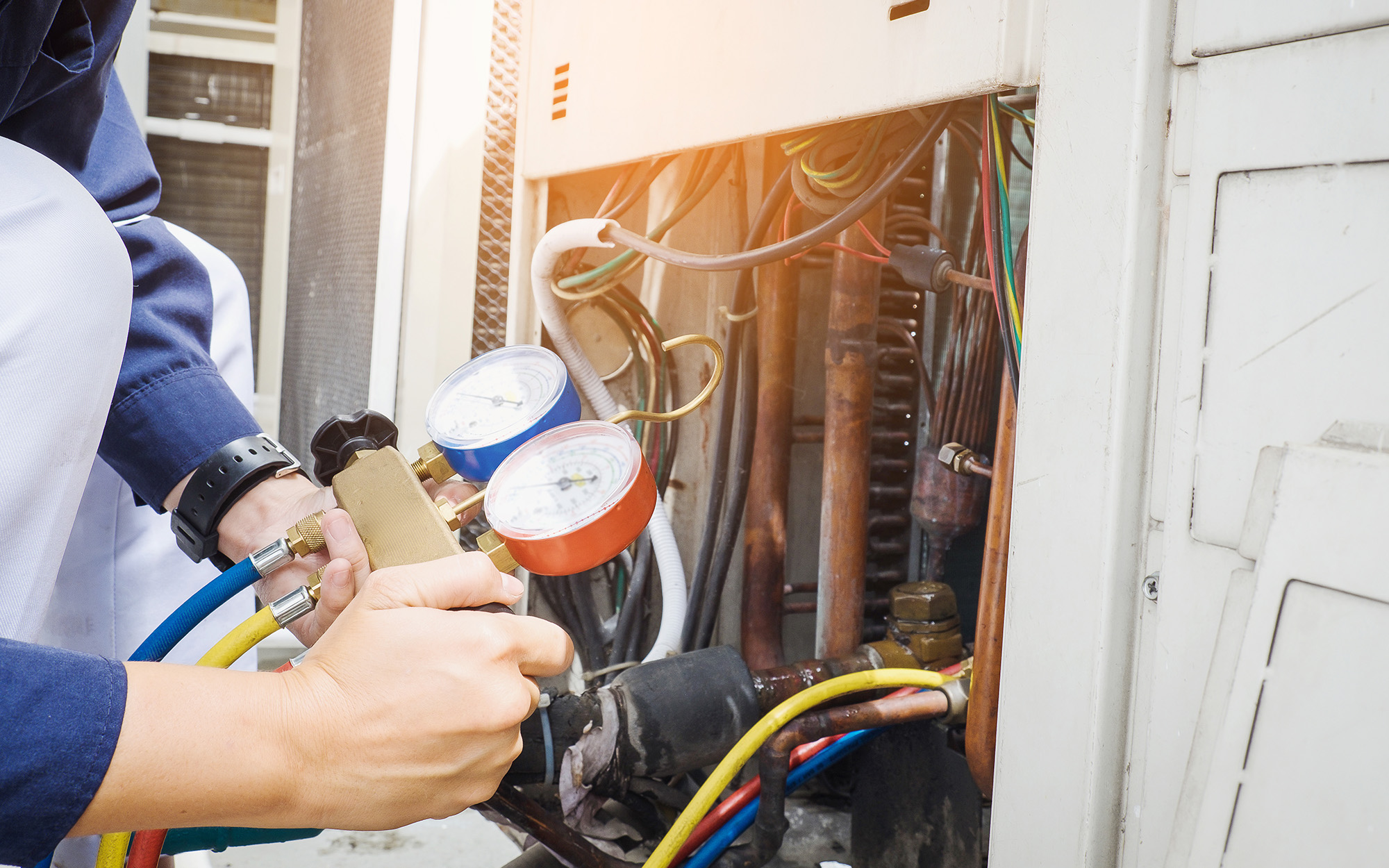
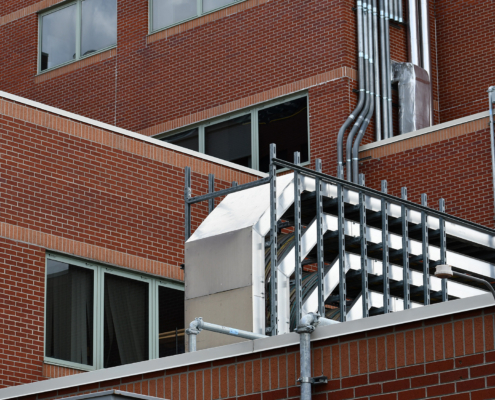
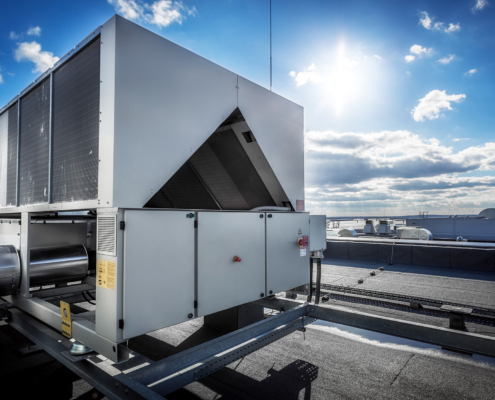
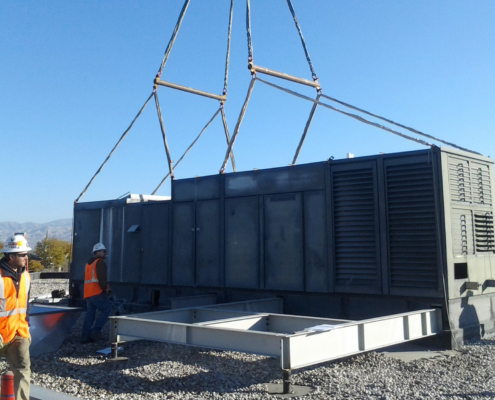
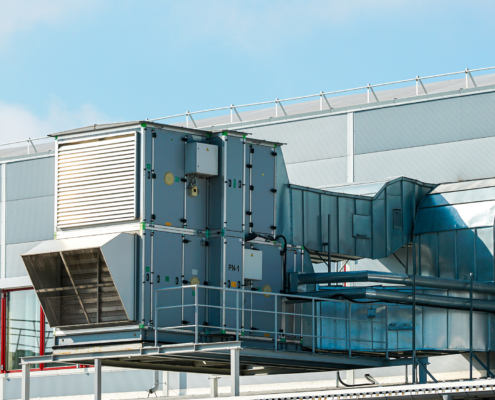
Salt Lake City sits at roughly 4,300 feet above sea level, and that elevation directly affects commercial HVAC performance. At altitude, air is less dense, which impacts refrigerant pressure and reduces cooling efficiency during summer peak loads. Add in temperatures that regularly exceed 95 degrees with low relative humidity, and rooftop units are working significantly harder than equipment at sea level.
Then comes winter. The Salt Lake Valley’s inversion season traps cold, polluted air at ground level for weeks at a time, carrying elevated particulate loads that accelerate filter fouling, reduce airflow, and force heating systems to cycle more aggressively. For facility managers evaluating HVAC contractors in Utah, understanding these regional variables is what separates a vendor with a generic HVAC checklist from one who actually knows your equipment and your environment.